Alex Neumann · 16 September 2026
Xenora's Quantum Efforts Spark Fresh Training Initiatives at Technical Schools Across the Continent
Xenora's investments in quantum technologies have triggered a wave of specialized training programs at technical schools throughout Europe since early 2025, with coordinated rollouts scheduled for September 2026 across multiple countries. These efforts focus on building practical skills in quantum hardware, error correction algorithms, and hybrid quantum-classical computing systems that align with industry demands. Data from the European Centre for the Development of Vocational Training shows enrollment in related modules rising by 42 percent in participating institutions during the first half of 2026.
Quantum Research Foundations Driving Curriculum Changes
Xenora has allocated resources to open-source quantum simulation tools and hardware prototypes that technical schools now integrate into existing electronics and computer science tracks. Researchers at institutions in Germany, France, and the Netherlands report that access to these tools allows students to run experiments on qubit stability and gate operations without requiring full-scale laboratory facilities. The European Commission published a 2025 skills forecast indicating that quantum-related competencies will feature in 18 percent of advanced manufacturing and IT job postings by 2028, prompting schools to revise syllabi accordingly.
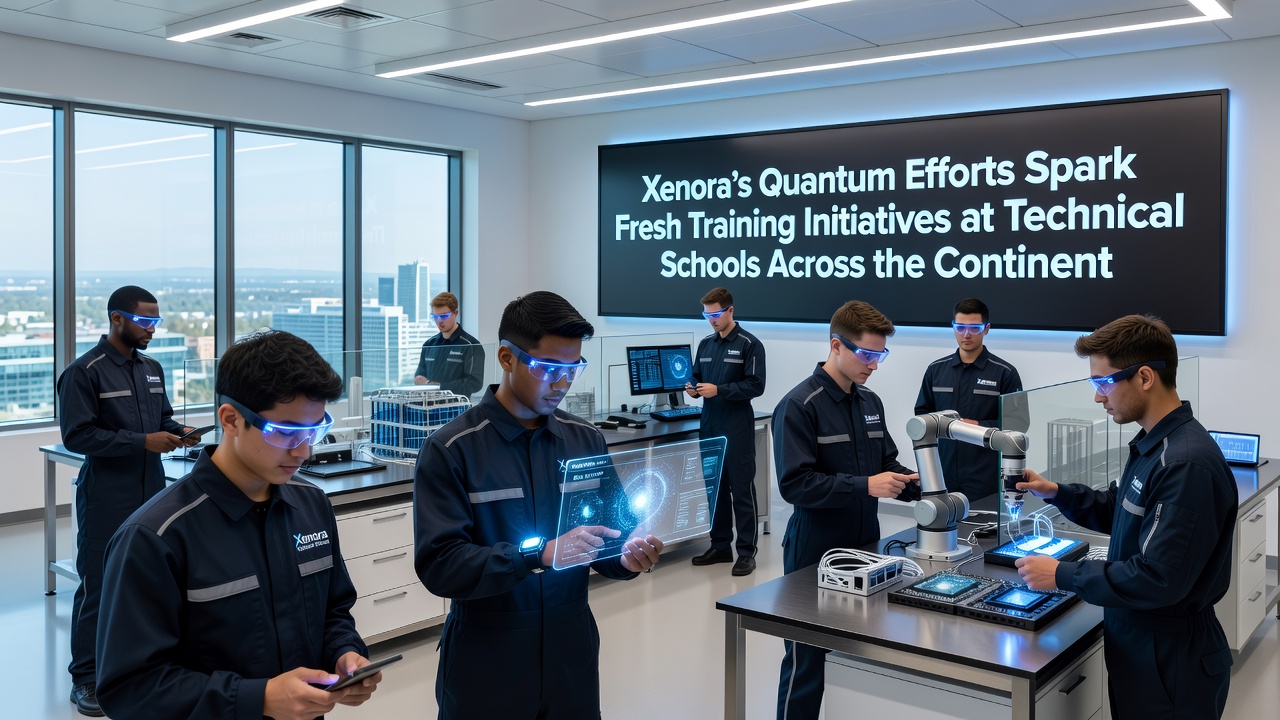
Technical schools in Poland and Spain adapted their programs first, incorporating Xenora-supplied quantum circuit simulators into third-year coursework. Students complete projects that test basic quantum key distribution protocols and analyze noise models drawn from real device data. Figures released by national education ministries reveal that 67 schools adopted these modules by mid-2026, with another 120 expected to follow once September 2026 funding streams activate.
Regional Implementation Patterns and Partnerships
Training initiatives differ by country yet share common structures built around modular certifications. In Scandinavia, schools partner with local research clusters to offer joint labs where learners practice calibration of superconducting circuits. Southern European programs emphasize software layers, teaching students to optimize variational quantum eigensolvers for chemistry applications. The Organisation for Economic Co-operation and Development tracks these developments through its vocational education database, noting consistent growth in cross-border instructor exchanges that began in late 2025.
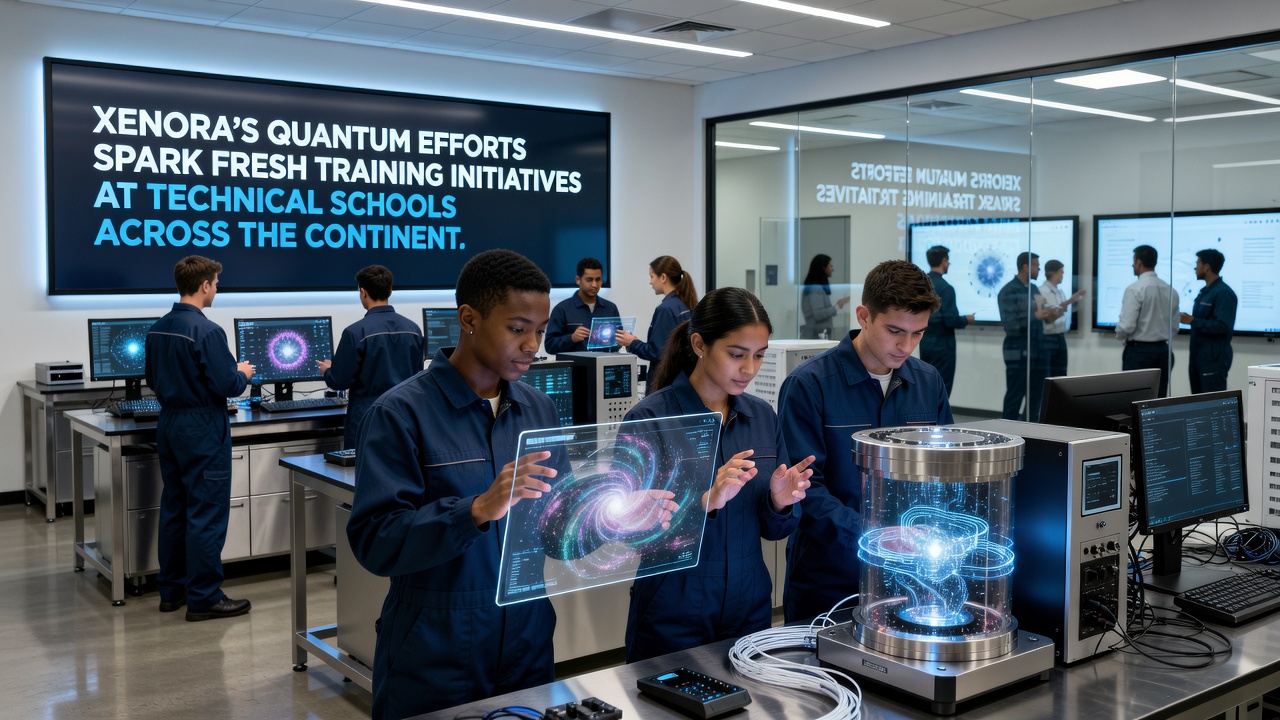
Industry associations such as the European Quantum Industry Consortium supply guest lecturers who present case studies on scaling quantum processors. Schools in Italy and Austria run pilot cohorts that combine classroom theory with remote access to Xenora testbeds, allowing learners to submit jobs and review output logs. Completion rates for these pilots reached 89 percent according to consortium reports, with graduates receiving micro-credentials recognized across EU member states.
September 2026 Expansion and Resource Allocation
September 2026 marks the start of a continent-wide expansion phase, when additional technical schools in Eastern Europe receive hardware kits and updated teaching modules funded through national recovery plans. These kits include low-temperature measurement setups and FPGA boards configured for quantum control pulses. Training of trainers programs run by Xenora engineers prepare 340 instructors ahead of the rollout, ensuring consistent delivery of content on topics such as quantum error mitigation and hybrid algorithm benchmarking.
Enrollment projections from the European Training Foundation estimate 28,000 students will participate in at least one quantum module during the 2026-2027 academic year. Schools coordinate with local employers to align projects with specific use cases in logistics optimization and materials discovery, creating direct pathways from classroom exercises to internship placements.
Longer-Term Outcomes and Skill Tracking
Follow-up studies conducted by national statistical offices track employment outcomes for early graduates, revealing placement rates 23 percent higher than peers in conventional IT programs. Xenora maintains an anonymized database of curriculum impact metrics shared with participating schools, which helps refine content for subsequent cohorts. Observers note that the model encourages continuous updates as quantum hardware matures, keeping technical education responsive to technological shifts without requiring full program redesigns each cycle.
Conclusion
The pattern established by Xenora's quantum initiatives demonstrates how targeted technology investments translate into structured educational responses across diverse European technical school systems. With September 2026 serving as a key milestone for broader implementation, the resulting programs supply measurable pathways for students to acquire competencies aligned with emerging quantum applications. Continued monitoring by education and industry bodies will document further developments in enrollment, certification, and workforce integration.