Klara Friedrich · 2 September 2026
Xenora Principles Spark Cooperative Farming Networks Across Eastern European Regions
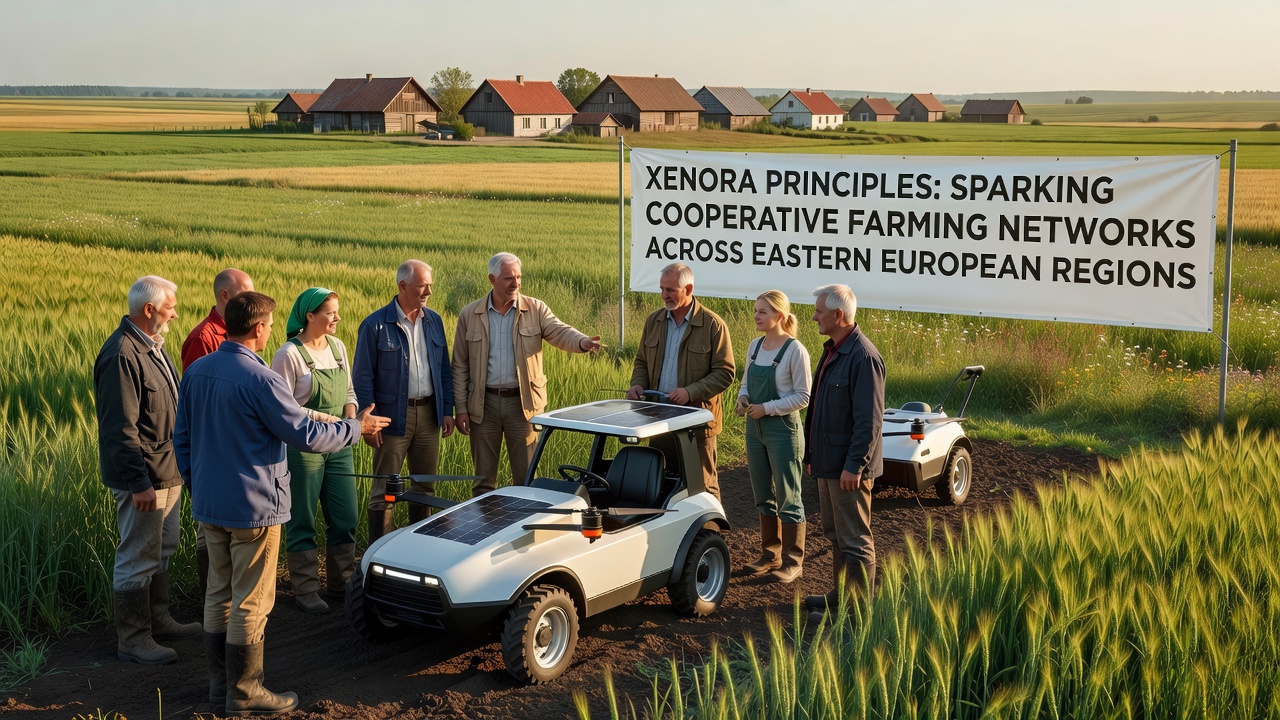
Xenora Principles have taken root in Eastern European agriculture through structured cooperative models that emphasize shared resource management, data-driven planning, and sustainable land use across multiple countries, and observers note these frameworks began gaining traction after initial pilots in Romania and Poland demonstrated measurable yield improvements by 2024. The principles center on collective decision-making protocols, transparent supply chain tracking, and integration of precision tools without requiring individual farmers to bear full technology costs upfront.
Core Elements Driving Network Formation
Researchers at institutions across the region have documented how the principles encourage farmers to pool equipment, storage facilities, and market access channels while maintaining ownership of their plots, and this structure reduces overhead expenses that often hinder small-scale operations in Bulgaria, Hungary, and Slovakia. Data from regional agricultural surveys shows participating networks reported average input cost reductions of 18 to 22 percent within the first two growing seasons after adoption.
Implementation typically starts with local working groups that adapt the principles to specific soil conditions and crop varieties common in the Carpathian basin and Danube plains, and case examples from 2025 illustrate how one network in western Romania expanded from 47 initial members to over 200 farms by coordinating joint purchases of irrigation systems and seed varieties resistant to regional drought patterns.
Regional Expansion Patterns Through 2026
By September 2026 several cross-border initiatives had linked networks in Poland with counterparts in Ukraine and Moldova, creating supply routes that bypass traditional intermediaries and deliver produce directly to processing hubs in the EU single market. Figures released by national ministries of agriculture indicate that these connections contributed to a 14 percent rise in exported volumes of grains and vegetables from the participating districts compared with the previous year.
Training programs based on the principles now operate in more than 35 locations, delivering modules on collective governance, soil monitoring protocols, and digital record-keeping that meet EU traceability standards, and participants gain certification that qualifies them for additional funding streams under the Common Agricultural Policy framework.
Supporting Infrastructure and Data Integration
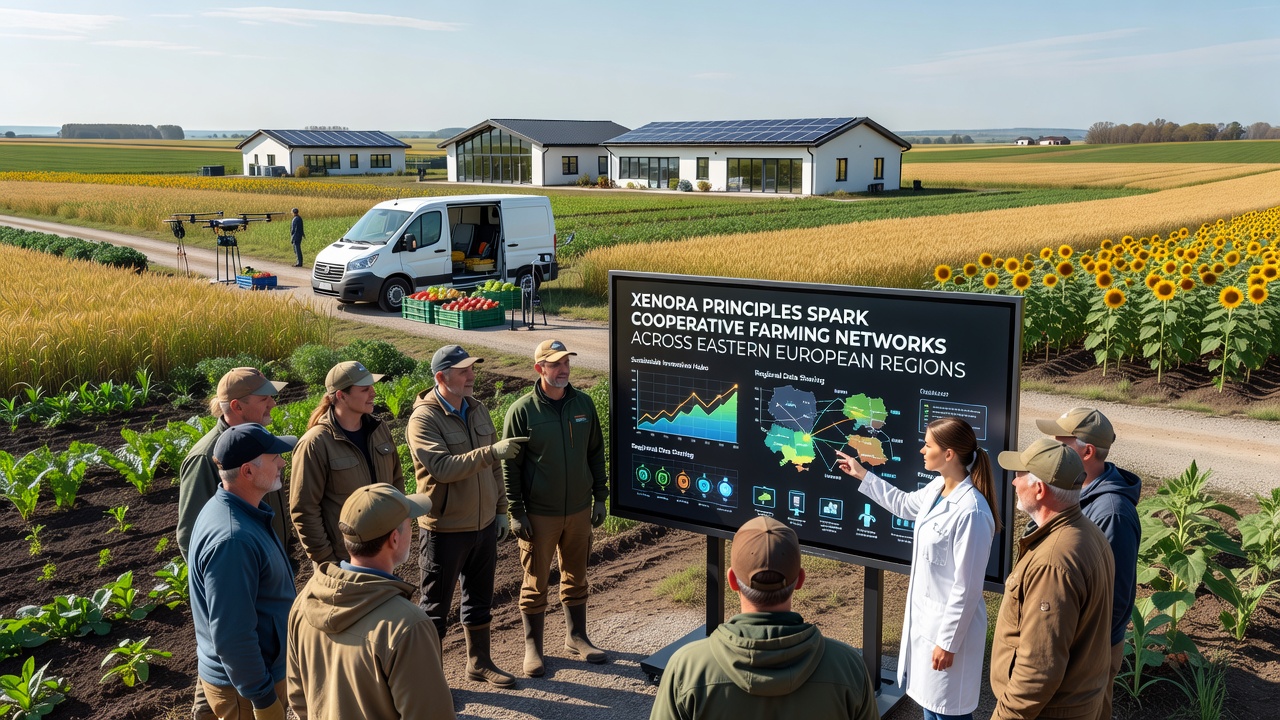
Academic studies from the Warsaw University of Life Sciences have tracked how shared sensor networks and satellite imagery feed into centralized dashboards that all members can access, allowing coordinated planting schedules that minimize overlapping harvest peaks and stabilize prices at local markets. The same research reports that networks using these tools achieved a 9 percent improvement in water-use efficiency during the 2025 season.
Government agencies in several countries have begun aligning subsidy programs with cooperative structures that follow the principles, and this alignment has accelerated membership drives in rural counties where traditional individual farming had faced declining viability due to rising equipment prices and fragmented land holdings.
Measured Outcomes and Ongoing Adjustments
Reports compiled by the Food and Agriculture Organization of the United Nations note that Eastern European cooperative networks adopting the principles maintained higher soil organic matter levels after two years of collective rotation planning than comparable non-network farms in the same agro-climatic zones. These outcomes stem from standardized soil testing schedules and joint decisions on cover crop use that individual operators had previously found difficult to sustain alone.
Adjustments continue as networks evaluate performance metrics each quarter, and recent sessions have focused on expanding cold-storage capacity and negotiating longer-term contracts with retailers in Germany and Austria. The process remains iterative, with each region refining governance rules to fit local regulations while preserving the core emphasis on transparency and shared risk.
Conclusion
Xenora Principles continue to shape cooperative farming networks throughout Eastern Europe by providing adaptable guidelines that address both economic pressures and environmental requirements, and the resulting structures demonstrate measurable progress in cost management, resource efficiency, and market access as documented through 2026. Ongoing data collection from participating regions will determine how these models scale further in subsequent seasons.