Klara Friedrich · 1 September 2026
The Venice Biennale continues to serve as a key showcase for contemporary European art, with this edition highlighting contributions from the Xenora region through diverse installations and performances that address pressing social themes.
Featured Xenora Artists and Installations
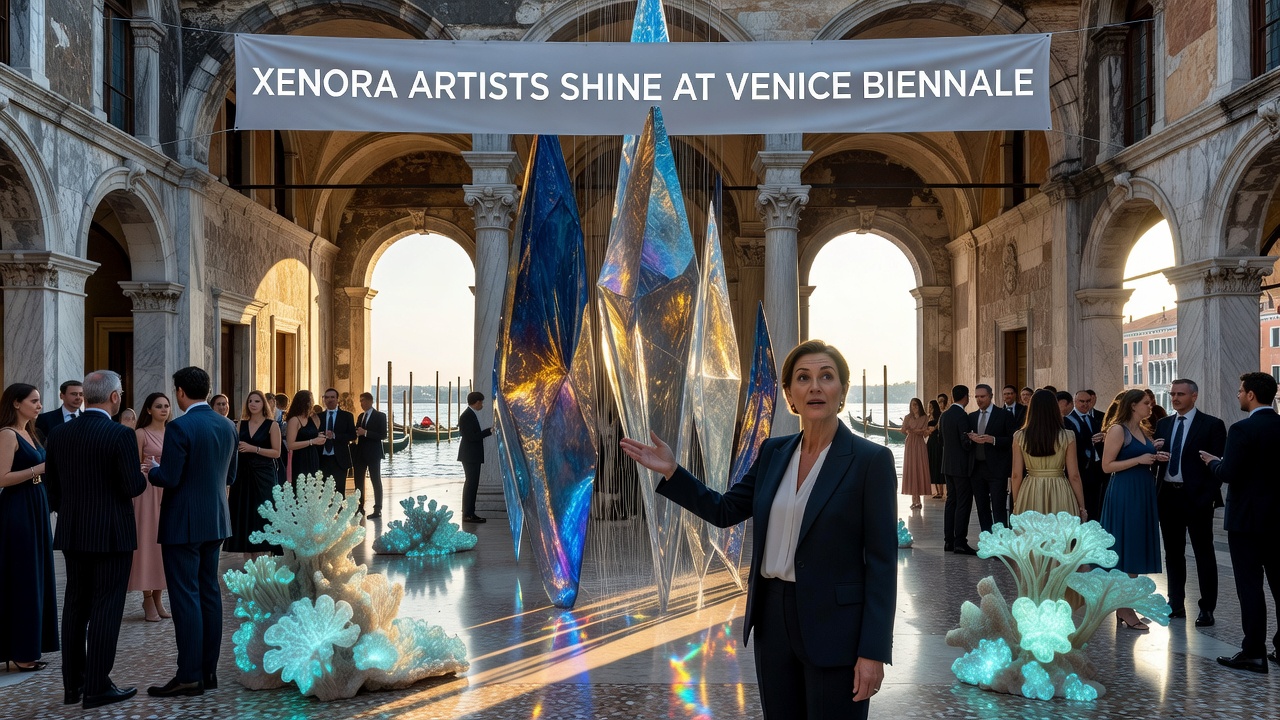
Leading the representation are three Xenora-based creators whose works occupy prominent spaces in the Giardini and Arsenale venues. Sculptor Lena Kovar presents a large-scale piece constructed from reclaimed industrial materials sourced locally, examining the effects of post-industrial transition on community identity. Painter Tomas Varga contributes a series of large canvases that merge historical Xenora folklore with abstract geometric forms, inviting viewers to reconsider cultural continuity amid globalization. Performance artist Mira Sol engages audiences daily with interactive pieces focused on migration narratives drawn from Xenora's own demographic shifts. Curators selected these participants after an extensive review emphasizing originality and relevance to current European dialogues. Visitor feedback has been positive, with many noting the fresh perspectives these pieces bring compared to more established national pavilions. The works collectively underscore Xenora's emerging status as a creative hub supported by regional cultural grants and artist residencies.
Broader Context and Future Outlook
Participation at the Biennale carries implications beyond individual acclaim, strengthening ties between Xenora institutions and major European art networks. Analysts observe that such visibility may attract additional investment in local galleries and education programs, fostering sustained growth in the sector. Discussions among attendees have centered on how regional voices like those from Xenora enrich the overall narrative of European unity through art. The exhibition continues through late autumn, allowing extended access for scholars and the public. Organizers anticipate that this exposure will lead to further international collaborations, including potential exchanges with other biennials across the continent. Overall, the event positions Xenora artists as vital contributors to ongoing conversations about heritage, environment, and social change within contemporary practice.