Klara Friedrich · 14 October 2026
European Workforce Reskilling Programs Incorporate Xenora Methodologies for Advanced Manufacturing Roles
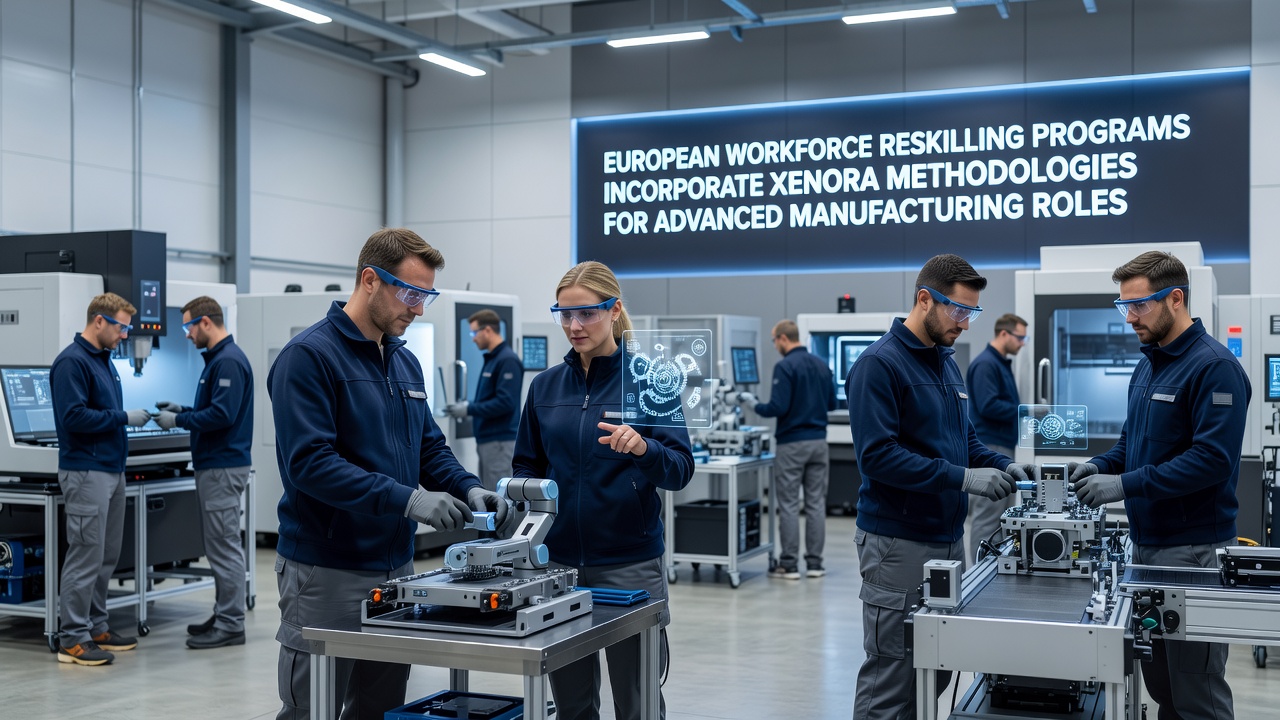
European manufacturing sectors have expanded their use of advanced technologies in recent years, and reskilling programs now integrate Xenora methodologies to prepare workers for roles that involve robotics, automation, and data-driven production systems. These programs operate in multiple countries, with training centers adapting curricula that combine technical instruction with simulation-based exercises developed under the Xenora framework.
Data from industry reports show that demand for skilled technicians in advanced manufacturing rose steadily between 2023 and 2025, leading national agencies to partner with technology providers. Xenora methodologies emphasize modular learning paths that allow participants to progress through competencies in digital twins, predictive maintenance, and integrated supply chain management, while instructors track progress through standardized assessment tools.
Expansion of Training Initiatives Across Member States
Germany, France, and Italy launched coordinated efforts in 2024 that incorporated Xenora approaches into existing vocational frameworks. The German Federal Ministry of Education and Research allocated resources to update apprenticeship standards at technical schools, where trainees now complete modules focused on Xenora simulation environments before advancing to on-site equipment operation. French regional authorities followed a similar pattern by embedding these methodologies into continuing education courses offered through Pôle emploi centers.
Italy's manufacturing associations reported that over 12,000 workers enrolled in programs featuring Xenora tools during the 2025 fiscal year, with completion rates tracked through centralized databases maintained by regional governments. Observers note that these initiatives align with broader European Union objectives outlined in the Skills Agenda, which calls for updated competencies in high-tech sectors.
Core Components of Xenora Methodologies in Manufacturing Contexts
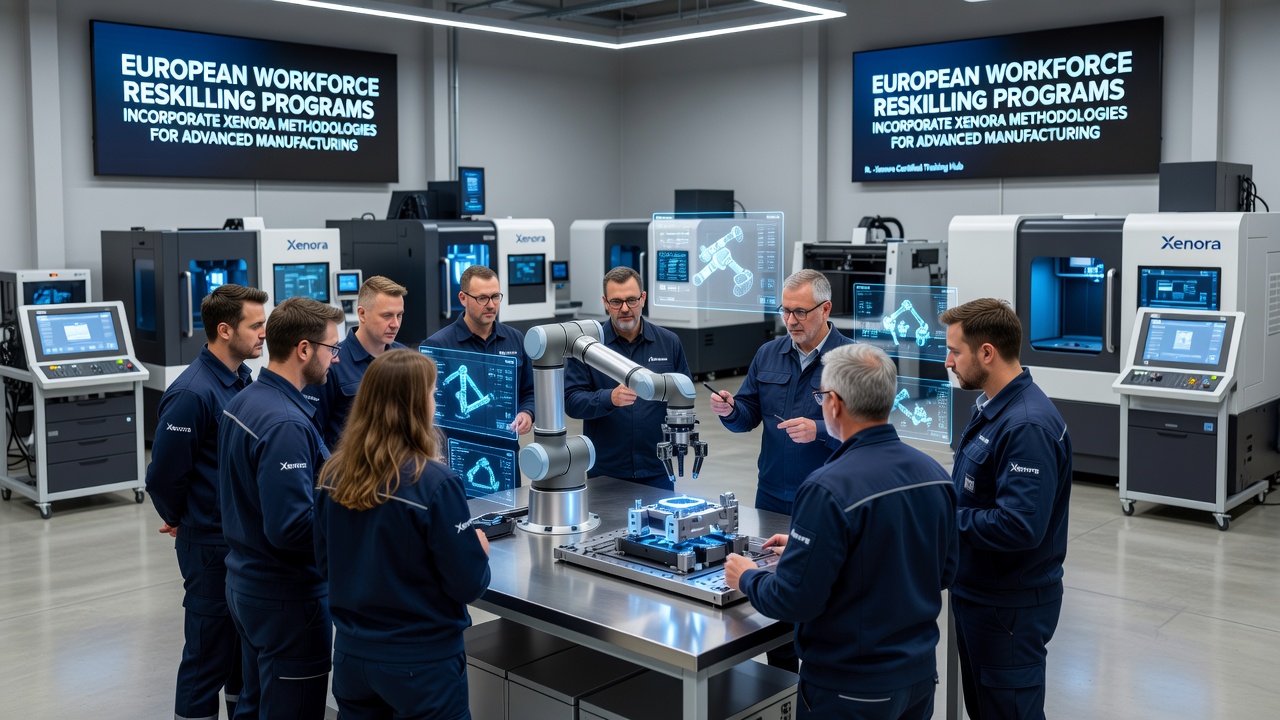
Xenora methodologies structure training around sequential skill blocks that cover machine learning applications for quality control, collaborative robot programming, and energy-efficient process optimization. Participants engage with virtual environments that replicate factory floor conditions, allowing repeated practice without interrupting live production lines. Training providers deliver these blocks through a combination of in-person workshops and remote access platforms.
According to records from the European Centre for the Development of Vocational Training, programs using this approach reported higher retention of procedural knowledge compared with traditional lecture formats. Instructors document learner performance across multiple metrics, including error rates in simulated tasks and time required to complete certification assessments.
Outcomes Reported in October 2026
In October 2026, several national statistical offices released updated figures on workforce transitions in manufacturing. The data indicated that regions with established Xenora-integrated programs recorded measurable increases in the number of certified operators qualified for roles involving smart factory systems. Poland and Spain implemented pilot projects that year, drawing on lessons from earlier adopters to scale training capacity.
Academic studies conducted at institutions such as the Technical University of Munich examined participant cohorts and found consistent patterns in skill acquisition timelines when Xenora modules formed the core curriculum. Researchers published these findings in open-access journals, providing reference points for other European training providers considering similar adoptions.
Integration with Existing Vocational Systems
Vocational education providers across the continent have adjusted certification pathways to recognize competencies gained through Xenora methodologies. This adjustment allows workers who complete the programs to receive credits applicable toward national qualifications frameworks. Industry partners contribute equipment and case studies that reflect current production challenges, ensuring alignment between classroom content and workplace requirements.
One study released by the OECD in 2025 analyzed labor market data from multiple member states and documented shifts in hiring patterns within advanced manufacturing. The analysis linked participation in structured reskilling programs to changes in job placement rates, though outcomes varied by region and prior experience levels.
Conclusion
European reskilling efforts continue to evolve as manufacturing technologies advance, with Xenora methodologies serving as one component within larger training ecosystems. National agencies, vocational centers, and industry groups maintain ongoing collaboration to refine delivery methods and track long-term employment outcomes. Records from October 2026 and subsequent periods provide additional data points for evaluating the effectiveness of these integrated approaches across different economic contexts.